Category: Blog

  • Putting families first

    Putting families first

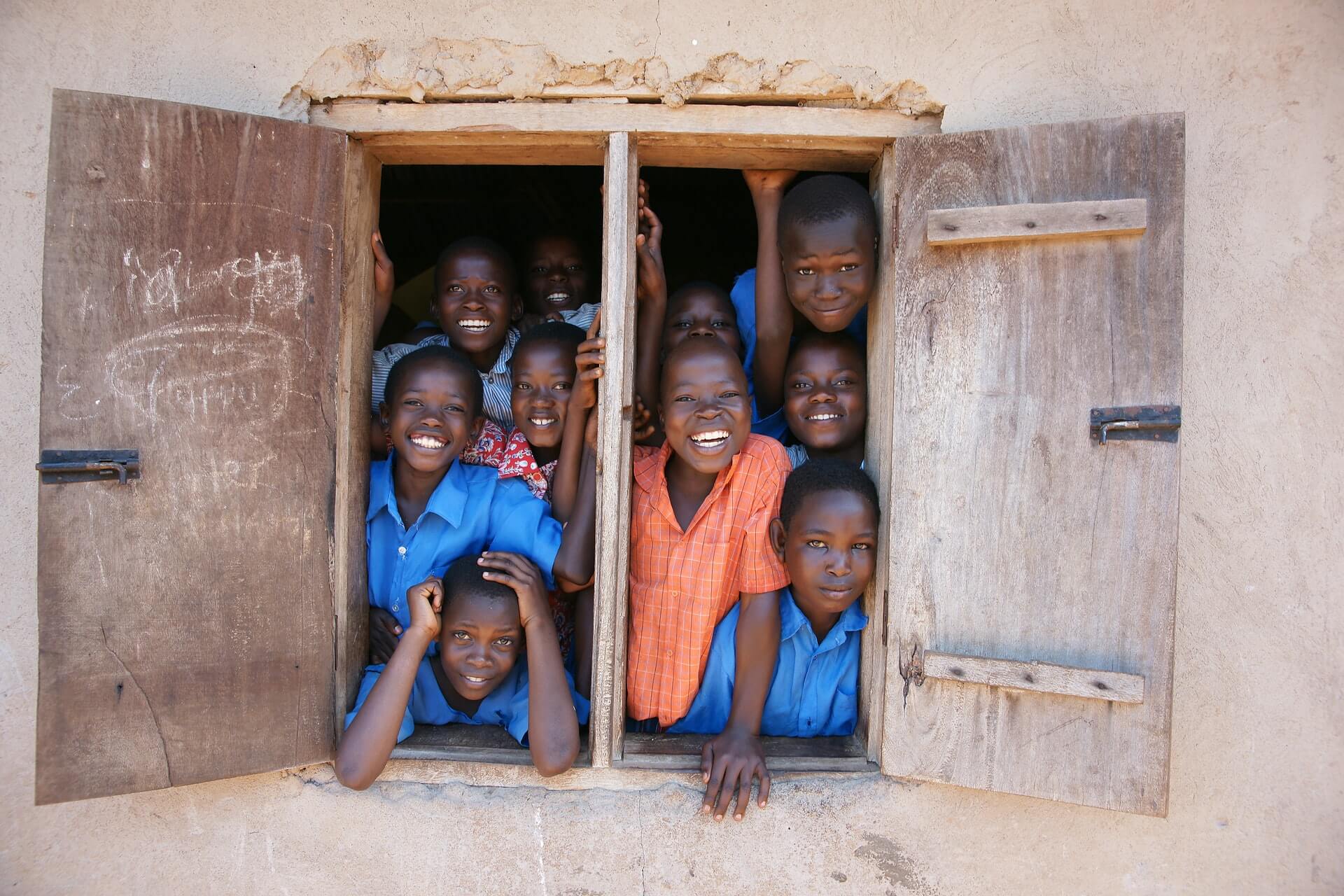
    Over the last 15 years, Tata, and Yanti have been focused on one thing in their work: keeping families together when it’s safe to do so. But their jobs, along with the rest of the team at Save the Children Indonesia, have been made immeasurably difficult with the COVID-19 pandemic.

    This incredible journey heavily supported by my mum has taught me a lot about working internationally. I have attended several meetings with other delegates and have also been put into working groups to develop proposals we will be presenting to Ministers attending the Pre-COP26.

    There are thousands of children that have become separated from their families due to COVID.

    Jony Doe

    In 2007, two years after the Families First program started, about 500,000 children were living in more than 8,000 childcare institutions, the highest number in the world. In 2019, that number was only 100,000. Many of the reasons children are living in institutions, despite having parents or extended family to care for them, can be addressed, says Tata.

    Keeping children and parents together

    Often parents believe that they can’t afford to keep and educate their children. They desperately want their children to have a good education and believe these institutions can offer that. But education in some of these institutions isn’t guaranteed, and abuse and neglect are common.

    This is the way to be independent – providing families the opportunity to keep the kids with them and ensuring their basic needs can be fulfilled – love, attachment, food, education, a house.

    It’s never been a more important time to get involved

    Sometimes I feel disheartened and hopeless, as I hear how politicians continue to advocate for continuing with coal, but my Jewish background reminds me to never give up the fight. I stand up for others because I know there were people who protected my family. 

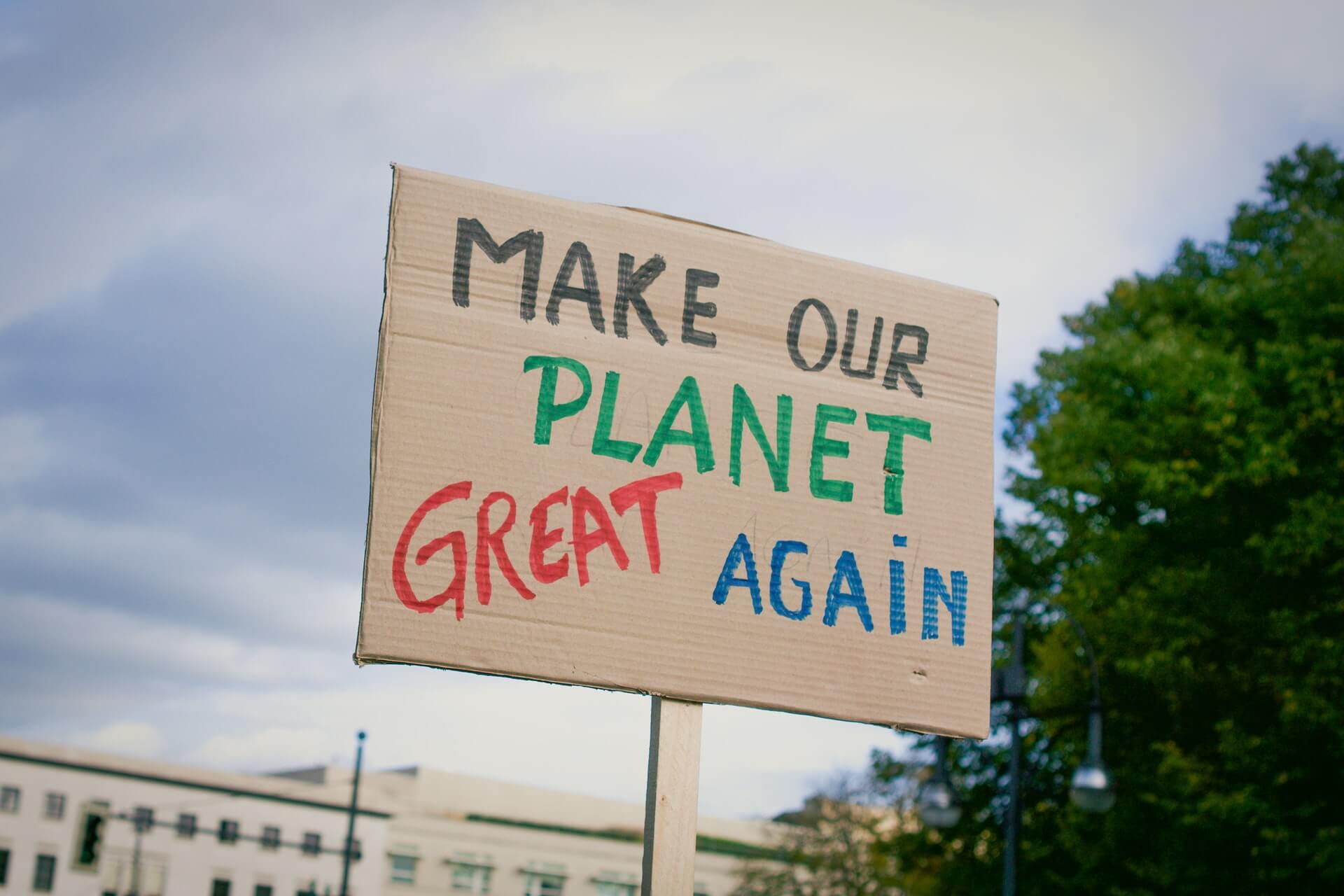
    The first-ever protest I attended was the School Strike 4 Climate Global Day of Action on November 30, 2018. I had never been to a protest before. The feeling of being surrounded by passionate young people was one I will never forget. From then on, I was all in.
  • What’s the future for Afghanistan’s children?

    What’s the future for Afghanistan’s children?

    Chris Nyamandi, Country Director of Save the Children Afghanistan is an eyewitness to the escalating chaos enveloping the country. Here he makes an impassioned plea to support the ordinary Afghan people who did not create this crisis.

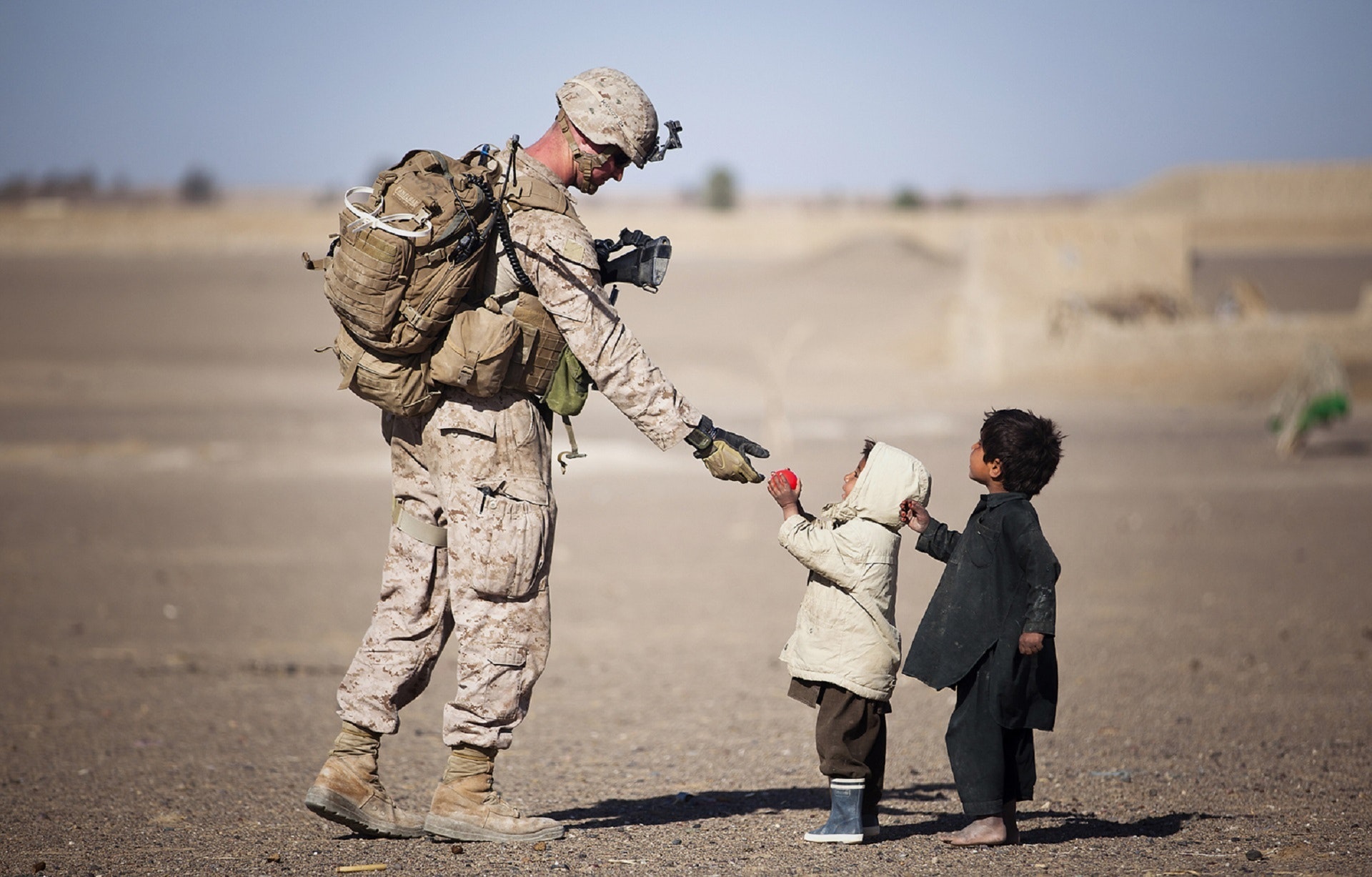
    As harrowing footage emerges of children being passed over airport walls by parents in a desperate attempt to flee, many are asking me the same question: What does the future look like for the children who remain in Afghanistan?

    Let this be a loud cry for Afghan children and their families who need support, wherever they are.

    Jony Doe

    We have no intention of abandoning the staff, children and communities we have worked with for over four decades. So, our message to the UN, governments and other humanitarian agencies is clear: now is not the time to shirk your obligations to the Afghan people. 

    give Afghan children the future they deserve

    Since the end of May alone, the number of people internally displaced by conflict and in need of aid has more than doubled, more than half a million Afghans have been displaced within Afghanistan – over 330,000 of them are children. These families are living outside in the open under tarpaulins, with no access to food or medical care. While many desperately try and get to the airport, shots can be heard overhead.

    Safe passage to deliver lifesaving services in Afghanistan must be ensured for our brave female and male front line workers who, even amidst the chaos, tell us they want to go back to serving their communities, as doctors, nurses and teachers, among many other vital roles. 

    Save the Children

    Even before the recent escalation, almost half of the population – including nearly 10 million children – were in need of humanitarian assistance. Our staff has witnessed children succumbing to malnutrition, seen the devastation wreaked on communities by the drought, the impact on young girls when they have been subject to early marriage and then violation of children’s rights, when they are forced into work. 

  • The climate crisis

    The climate crisis

    It’s estimated by 2040 one in four children will be living in areas with extreme water shortages. And by 2050 a further 24 million children are projected to be undernourished as a result of the climate crisis. There’s no time to waste. It’s time to act now.

    While our politicians ignore the fact that current disasters are intensifying due to the climate crisis, scientists are telling us we need to do more to reduce the intensity and severity of disasters. It’s not a complex theory or speculation—statistics paint a clear picture of what the future may be like.

    This is Caption for image

    Shreya turns “climate warrior”

    We spoke to 22-year-old Shreya, a youth climate activist from Nepal who participated in Save the Children’s Red Alert on Climate campaign. Shreya shares how the climate crisis has affected her life and her country and the climate action she wants to see from world leaders.

    Nepal is among the most vulnerable countries to the climate crisis. In just two years, a Nepali peak, Mount Saipal, has become snowless. Our lives are melting along with our mountains. As the impact of climate change intensifies over time, it is the young people of today who will face the worst effects. I am one among them.

    Children like Shreya are all over the world and are demanding more from world leaders. And it’s time we listened. The world must recognize and stand with children, acknowledging their voices, activism and leadership in the climate movement. There is an urgent need. Their lives are at stake. 

    Time to listen and to act

    I have been actively involved in raising awareness, influencing policymakers, and taking climate action. In 2017, I participated in the National Youth Conference on Climate Change organized by the Nepalese Youth for Climate Action (NYCA). The conference motivated me to join the network and make a collective impact. Since then, I have been working with NYCA, a youth-led coalition of the Nepalese youth and youth groups tackling the climate crisis, which is the biggest challenge of our generation.