Category: Blog

  • Surviving and enjoying lockdown with kids

    Surviving and enjoying lockdown with kids

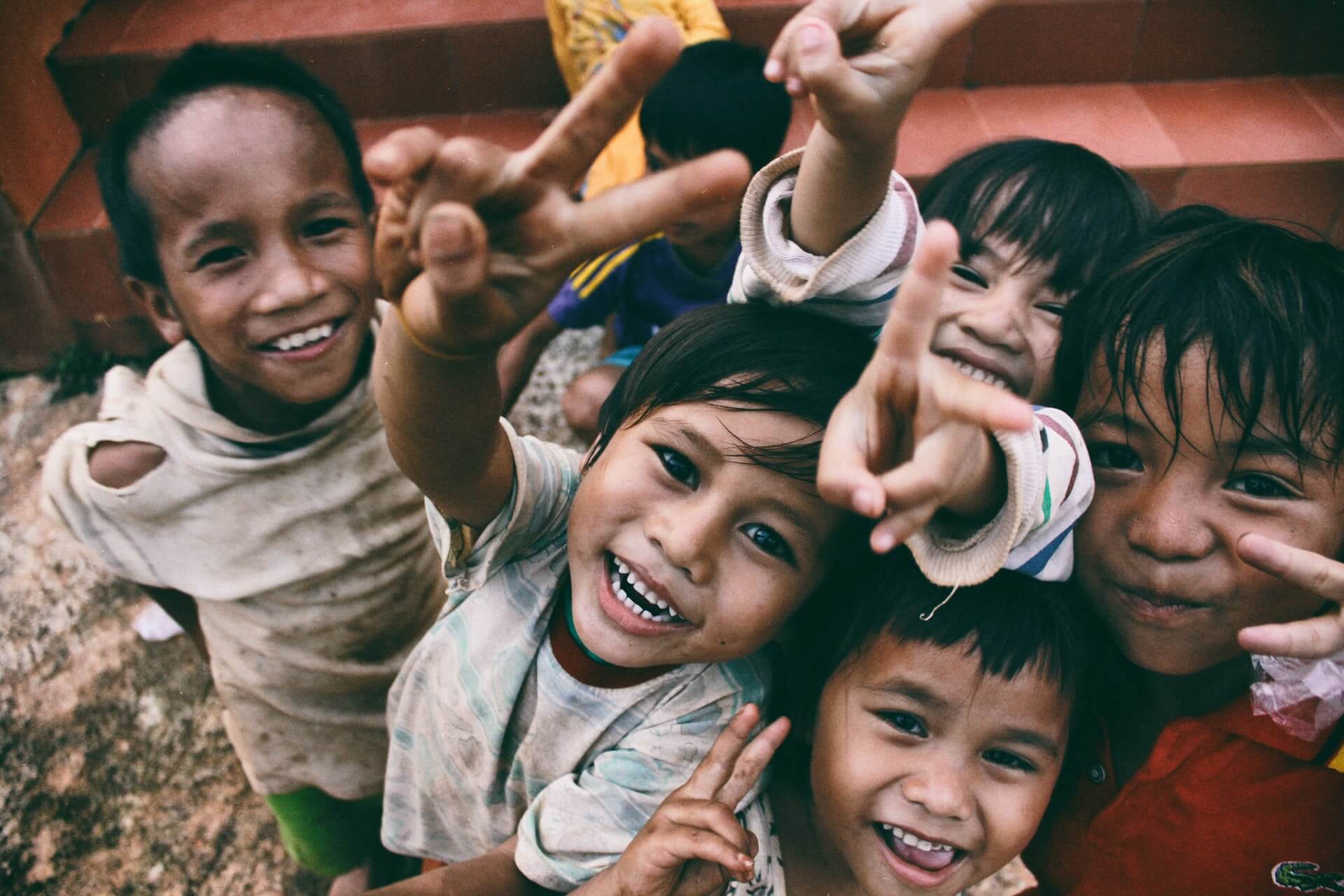
    With schools closed in NSW and Victoria, and childcare restricted to authorised workers in Victoria, many children will be at home for the next few weeks. And with their usual creative and physical outlets – libraries, sport, playgroups, and other public places – now cut off, families want to be innovative in the ways they interact with kids in the home.

    Children have experienced trying to stay safe from the virus for 18 months now.

    Jony Doe

    Use Zoom, Facetime, or Skype to keep in touch with family and friends, both local and overseas to stay social, and maintain friendships and relationships when you can’t be together.

    How to keep kids engaged and parents sane

    Keep a routine. Giving children a structure to each day will help them feel more secure, and it gives parents and caregivers a routine to work around. Try to do the things you would normally do, including your showering/bathing routine, keeping consistent mealtimes, and restricting recreational access to screens, having at least some screen-free time each day, as you would at other times. 

    If possible, ensure that everyone in the family has time and space to retreat and have alone time. It is challenging to be in a confined area with the same people for extended periods of time. Maintaining your mental health is important at times like these.

    Find time for children to get fresh air and sunlight. This may be as simple as spending some time in the backyard or on the balcony. If you live in a place where you can’t get outside, open your curtains and windows if you can, and let the natural light in.

    Children thrive on parental attention

    For both parents and children, it’s important to remember, the lockdowns won’t last forever. This period of time may be difficult, but it will pass as Australia speeds up its vaccination rates, providing protection for those vaccinated against hospitalisation and death. With strong vaccination rates, we can be confident into 2022 that we can protect the most vulnerable members of society.

    In this time ask them if they just want to share, or if they want you to help them to find a solution. Children don’t always want advice, sometimes being heard is enough. If you or your children need further support, please reach out to a trained professional such as a psychologist, social worker or GP. 
  • The Water Crisis is a Women’s Issue

    The Water Crisis is a Women’s Issue

    Those are just a few of the words we could use to describe the incredible women we’ve met over the years. These are women who raise families, start businesses, and perfect their crafts.

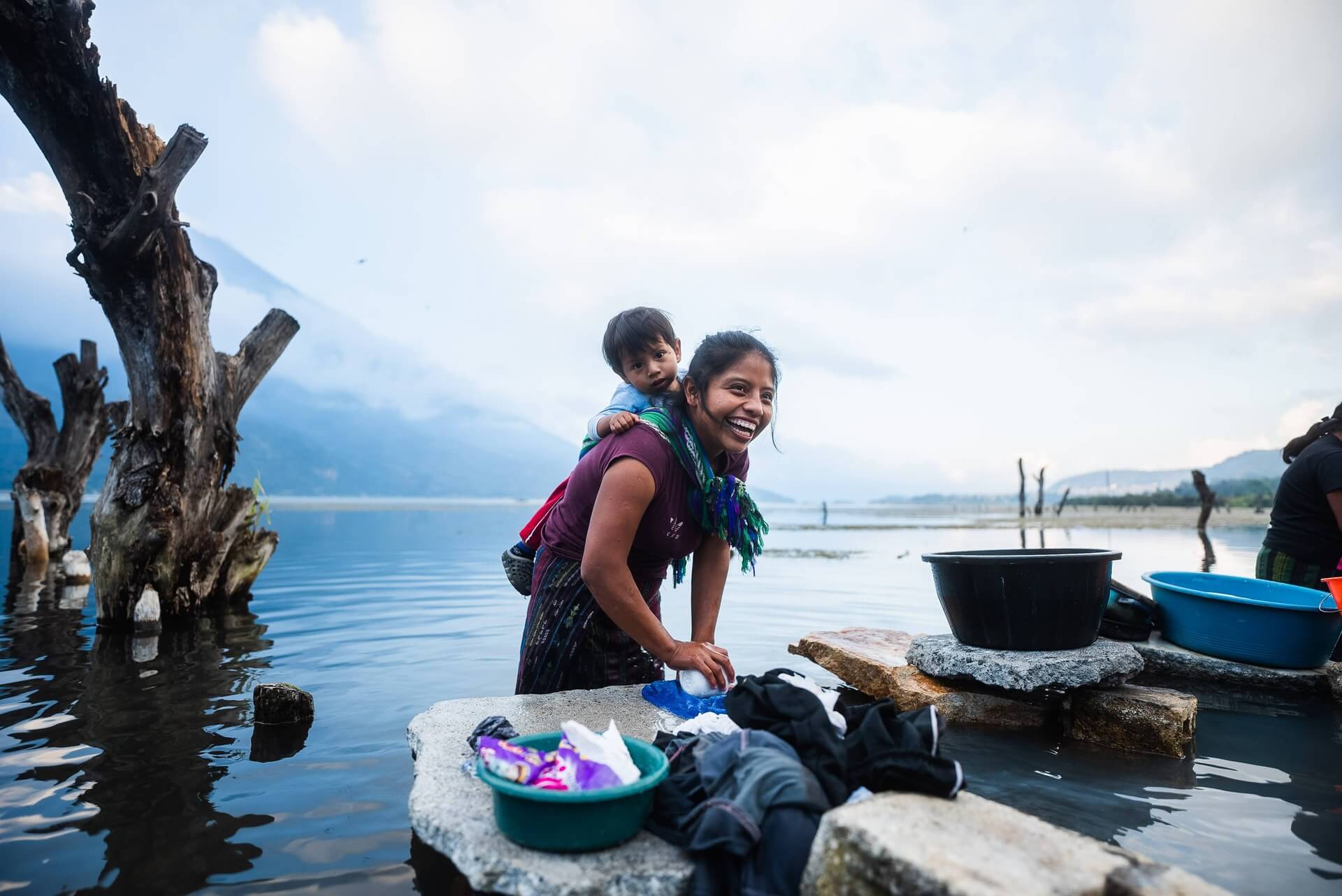
    Women who are capable of so much—especially when they’re relieved of their 40-pound (about 20 kilos) Jerry Cans and their long, dangerous walks for water.

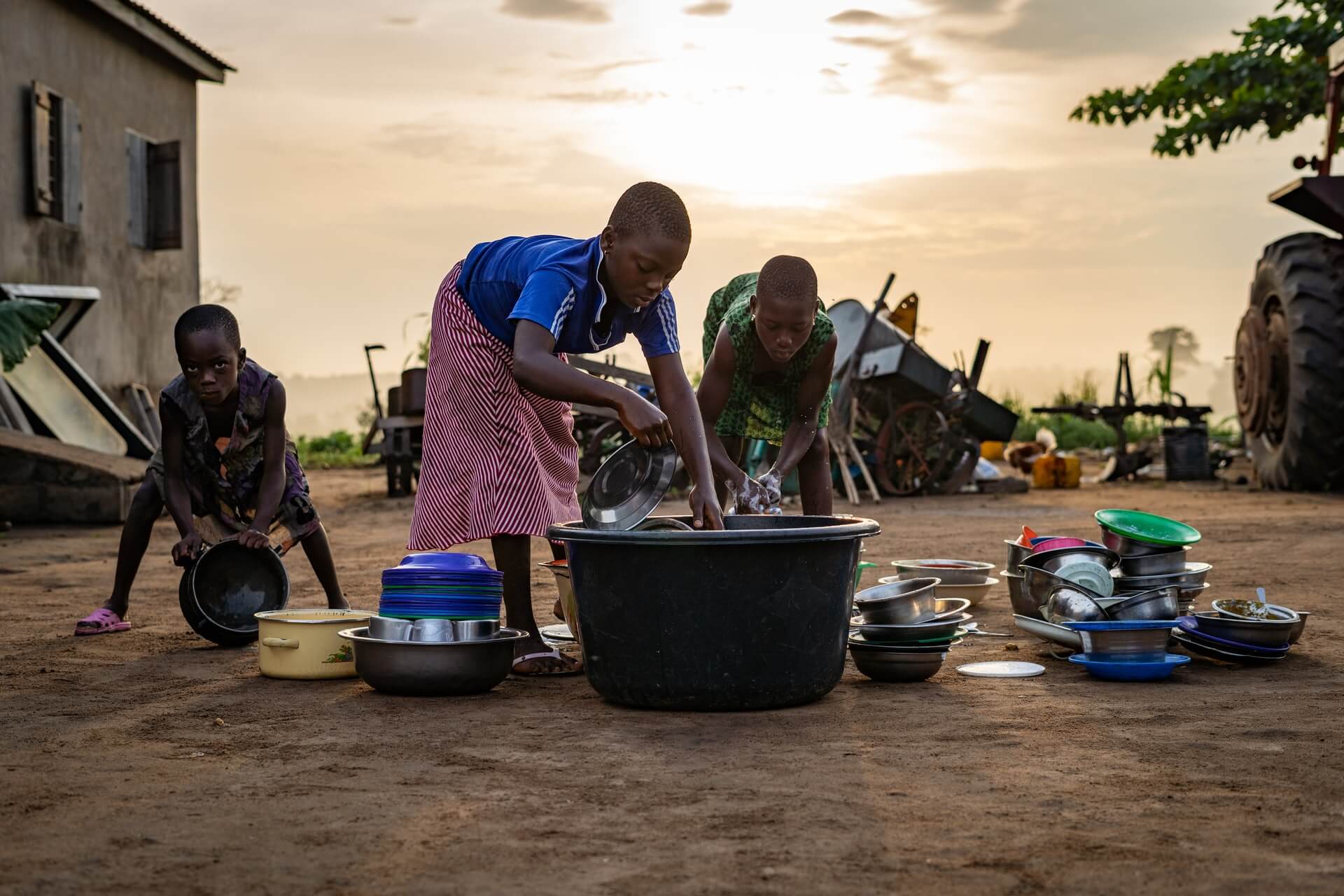
    But the reality is, women and girls are disproportionately responsible for collecting water in nearly every developing region. As we spend this month celebrating and observing International Women’s Day and World Water Day, we want to share that reality with you.

    This is Caption for image

    For women, collecting water steals time

    We’ve met young girls who walk in the 115ºF (46ºC) heat of the Sahel Desert to collect water from 1,000-year-old holes. We’ve met women in Ethiopia who walk to the river before sunrise and don’t get back until after lunch.

    We’ve even met mothers in Mali who sometimes sleep next to an open water source so they can be first in line when the water refills the next morning.

    For women, collecting water limits opportunities

    When we met 8-year-old Rita in Nepal, she was crouched down at the front of a long line, scooping water from a rocky basin into her metal water container. It was just after 6 a.m., and Rita and her mother had been waiting in line to collect water for their family of nine since 3 a.m.

    This isn’t an uncommon experience for young girls living in rural, mountainous parts of Nepal. Every day, they can spend hours waiting in line for the nearby source to refill or trek miles down the mountain to another dirty water source far below.

  • The importance of a good charity investment

    The importance of a good charity investment

    Having robust practices and systems to defend against such attempts is vital and need to be reviewed and adhered to at all times. Simple procedures like keeping PINs and passwords protected should be a given and be aware of more sophisticated attempts involving such things as social engineering.

    Do not donate to unknown individuals purporting to need aid that post on Facebook, GoFundMe, etc.

    Jeremy Lin

    Applying for grants

    The pandemic has quite rightly highlighted the great work undertaken by the sector but we know that at the higher governmental echelons of society, full recognition of the sector’s contribution is sadly lacking. 

    • Be on guard for a surge of solicitations related to any highly publicized crisis.
    • Do not respond to, or click on any attachments, links or pictures.
    • Beware of individuals or others claiming to be third-party intermediaries for charities or those in need.
    • Avoid name confusion by independently verifying that the charity is legitimate before you donate. 

    Finding grant funding

    However, shining a light on the tangible outcomes of all that hard work is crucial to truly understand the value brought to the beneficiary base. Here are just a few resources available that may help with analyzing and presenting your impact.

    For many charities, having enough funds to meet the increased demand for their services has been a real obstacle to address. Grants in particular remain and will always be an important source of funding. Locating such sources is only part of the challenge, the other is presenting an application that resonates with the provider and illustrates the charity in its best light.

  • Six characteristics of a resilient charity

    Six characteristics of a resilient charity

    Running a program designed to increase the resilience of small charities is a fantastic job, but one of the biggest challenges is measuring resilience. In reality, whether a charity is resilient can only be known when they face difficult events or changing times. 

    When funding is such a challenge and public bodies are using charities to deliver their mission, it can be easy to fall into the trap of following the funding, by allowing external entities to dictate your organization’s direction.

    It is important for the good governance of your charity that you record your decision and the reasons for it.

    Jony Doe

    PCharity governance

    • Charity Governance Code
    • Kent Good Governance Charity Forum, Brachers
    • Governing your organisation, NCVO

    This was our experience with one charity in particular. As part of our initial meeting, we asked why they existed because their work felt very disjointed. The charity could tell us all about what they did in terms of activities and projects – but struggled to articulate what they were trying to achieve. 

    Effective leadership

    In the time we’ve been working with them they have agreed to their purpose and reviewed how their activities fit with this. Their theory of change document has also allowed them to regularly ensure the organisation stays focused, makes informed decisions about strategy and measures itself against its intended impact.

    If you do consider such a decision is necessary, you should follow any rules in your charity’s governing document that allow for postponement or cancellation.

    Awareness

    In many parts of the UK, the local voluntary sector landscape has changed significantly in the last decade, let alone since Covid-19. As a board and senior management team, it’s important to spend time researching who else is out there because your information can quickly go out of date and this may have an impact on your delivery. 

  • Helpful tools and resources for charities

    Helpful tools and resources for charities

    Any success is usually based upon sound foundations and this will always involve strong leadership and governance. The demands on trustees and management teams are immense. This can often lead to difficulties recruiting and retaining the people who drive the culture and mission that ultimately creates the greatest impact for beneficiaries.

    Children are hardest hit by human-induced climate change as it limits their access to essential services such as foods, shelters, and education. 

    Jony Doe

    Recruiting charity trustees

    While our politicians ignore the fact that current disasters are intensifying due to the climate crisis, scientists are telling us we need to do more to reduce the intensity and severity of disasters. It’s not a complex theory or speculation—statistics paint a clear picture of what the future may be like.

    Shreya turns “climate warrior”

    Nepal is among the most vulnerable countries to the climate crisis. In just two years, a Nepali peak, Mount Saipal, has become snowless. Our lives are melting along with our mountains. As the impact of climate change intensifies over time, it is the young people of today who will face the worst effects. I am one among them.

    Children like Shreya are all over the world and are demanding more from world leaders. And it’s time we listened. The world must recognize and stand with children, acknowledging their voices, activism and leadership in the climate movement. There is an urgent need. Their lives are at stake. 

    Time to listen and to act

    I have been actively involved in raising awareness, influencing policymakers, and taking climate action. In 2017, I participated in the National Youth Conference on Climate Change organized by the Nepalese Youth for Climate Action (NYCA). The conference motivated me to join the network and make a collective impact. Since then, I have been working with NYCA, a youth-led coalition of the Nepalese youth and youth groups tackling the climate crisis, which is the biggest challenge of our generation.

  • 4 Things We Can Learn From Small Charity Fundraisers

    4 Things We Can Learn From Small Charity Fundraisers

    When we’re putting together webinars or virtual events on Fundraising Everywhere we see small charities as an excellent source of insight for the wider sector. Sure, they might not have the big teams or big budgets to do all of the flashy digital things but there are plenty of ways they’re amazing at the fundraising fundamentals.

    (more…)
  • How to get started with data in fundraising

    How to get started with data in fundraising

    It’s time to rethink our approach to data in fundraising so everyone feels like a pro, even if Excel makes you break out in a worried sweat. When we use data we’re more equipped to make better decisions for our strategy, supporters and team; important in a year of more uncertainty!

    Children have experienced trying to stay safe from the virus for 18 months now.

    Jony Doe

    Use Zoom, Facetime, or Skype to keep in touch with family and friends, both local and overseas to stay social, and maintain friendships and relationships when you can’t be together.

    Invest in a good CRM – and use it!

    • Think about data in everything you do
    • Network with other data “non-geeks”
    • Get comfortable with a new way of working

    If you’re a fundraiser that’s daunted by data you may be surprised how much you’re already using it. Every time you segment your database, draft your budget forecast or analyze a campaign to see if it can be saved with a tweak (or it’s time to let go), you’re using data. Data in fundraising is using the statistics and insights available to you, not intuition or feeling, to make decisions.

    Find time for children to get fresh air and sunlight. This may be as simple as spending some time in the backyard or on the balcony. If you live in a place where you can’t get outside, open your curtains and windows if you can, and let the natural light in.

    Be aware of data pitfalls

    It’s time to rethink our approach to data in fundraising so everyone feels like a pro.

    Nikki Bell

    If we have a good idea that we’re passionate about, it’s very easy to analyse data in a way that will prove that we’re right. This is called ‘confirmation bias’ and is something you need to be mindful of from day one to keep yourself and your team in check. Without this awareness, we lack the opportunity for innovation and growth – a key focus for charities in 2021!

    In this time ask them if they just want to share, or if they want you to help them to find a solution. Children don’t always want advice, sometimes being heard is enough. If you or your children need further support, please reach out to a trained professional such as a psychologist, social worker or GP. 

  • Hurricane Ida Relief

    Hurricane Ida Relief

    Hurricane Ida, which made landfall in Louisiana on August 29, 2021 as a powerful Category 4 storm, was the fifth-largest hurricane to hit the U.S. Ida’s maximum sustained winds topped 150 mph, and along with its storm surge and torrential rainfall, Ida has left a trail of devastating flooding and structural damage as it continues to move northeast.

    Do not donate to unknown individuals purporting to need aid that post on Facebook, GoFundMe, etc.

    Jeremy Lin

    DONORS BEWARE

    As with any charitable contribution, Americans wanting to help with disaster relief efforts should only give to legitimate charities with an established track record of helping people in need.

    • Be on guard for a surge of solicitations related to any highly publicized crisis.
    • Do not respond to, or click on any attachments, links or pictures.
    • Beware of individuals or others claiming to be third-party intermediaries for charities or those in need.
    • Avoid name confusion by independently verifying that the charity is legitimate before you donate. 

    SEND A CHECK, NOT GOODS

    The best way to help is by sending a check or donating securely by credit card. Such cash donations enable charities to buy the most needed types of food, medicine, clothing, shelter materials, and other supplies. By buying relief products locally or regionally, charities can reduce shipping costs and more rapidly deliver assistance.

    For many charities, having enough funds to meet the increased demand for their services has been a real obstacle to address. Grants in particular remain and will always be an important source of funding. Locating such sources is only part of the challenge, the other is presenting an application that resonates with the provider and illustrates the charity in its best light.

  • Ratings of Small and Local Charities

    Ratings of Small and Local Charities

    While it is sometimes possible to obtain the data we need in order to subject these smaller organizations to the rigorous analysis necessary to be able to provide meaningful information to donors, often it is not.

    (more…)
  • Coronavirus guidance for the charity sector

    Coronavirus guidance for the charity sector

    For some charities trustees may consider that holding a virtual or hybrid AGM or other required meeting is not a viable solution. It may also not be possible for them to move immediately back to face-to-face meetings.

    Wherever possible, we would ask you to file your annual return, report and accounts on time. However, where the pandemic has impacted your ability to do this, we have given a filing extension to any otherwise compliant charity that applied to us for one.

    It is important for the good governance of your charity that you record your decision and the reasons for it.

    Jony Doe

    If your governing document does not allow you to postpone or cancel meetings you should use any power in your governing document to amend the rules to ensure you can hold meetings in a valid format. You should update the governing document and approve any previous decisions as soon as possible.

    This is Caption for image

    Postponing or cancelling AGMs or other meetings

    For some charities trustees may consider that holding a virtual or hybrid AGM or other required meeting is not a viable solution. It may also not be possible for them to move immediately back to face-to-face meetings. In these circumstances trustees may consider they have no choice but to cancel or postpone.

    If you do consider such a decision is necessary, you should follow any rules in your charity’s governing document that allow for postponement or cancellation.

    Annual return and accounts

    Since the start of the pandemic, we have generally been understanding and taken a proportionate approach if trustees have decided to hold meetings on a remote or hybrid basis or postpone or cancel a required meeting where: